NOVANEWS

Amman: Iran’s foreign minister says it is Syria’s Arab neighbours — not Tehran — who should respond to Israel’s recent airstrikes near Damascus.
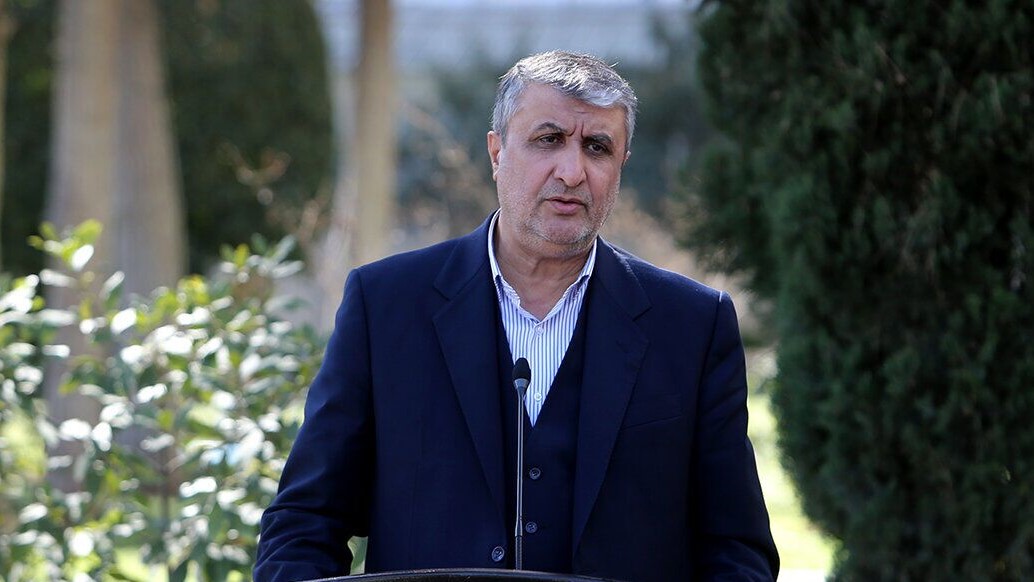
Ali Akbar Salehi says Arab nations “must stand by their brethren in Damascus.” He also warned of “serious repercussions from a political vacuum” should President Bashar Al Assad’s regime collapse.
Salehi spoke to reporters during a visit to the Jordanian capital, Amman, on Tuesday.
He said he believes Israel “would not dare strike” at suspected Iranian nuclear sites but that his country is “prepared for the worst.”
Over the weekend, Israeli warplanes targeted what Israel claimed were caches of Iranian missiles bound for the Lebanese militant Hezbollah group.
Syrian activists said Sunday’s airstrike on a sprawling military complex near Damascus killed at least 42 Syrian soldiers.
Meanwhile, a spokesman for a Palestinian group said Al Assad’s regime has given a fighter group the go-ahead to set up missiles to attack Israel in the wake of recent Israeli airstrikes on the Syrian capital.
Syria has hinted at possible retribution against Israel since the Jewish state carried out the airstrikes over the weekend, although official government statements have been relatively mild.
In that light, the Al Assad regime’s decision to allow a minor Syria-based Palestinian group to prepare for attacks is largely seen as a face-saving gesture unlikely to escalate the confrontation with Israel.
“Syria has given the green light to set up missile batteries to directly attack Israeli targets,” Anwar Raja of the Damascus-based Popular Front for the Liberation of Palestine-General Command told The Associated Press.
He said authorities also told the PFLP-GC that the group could carry out attacks independently without consulting Syrian authorities.
Israel’s government has not formally confirmed involvement in the strikes on Syria. However, Israeli officials have said the attacks were meant to prevent advanced Iranian weapons from reaching Lebanon’s Hezbollah militia, an ally of Syria and foe of Israel.
The airstrikes raised the possibility of a wider regional conflict with Syria, which is already engulfed in a civil war that has killed more than 70,000 people, as its focal point.